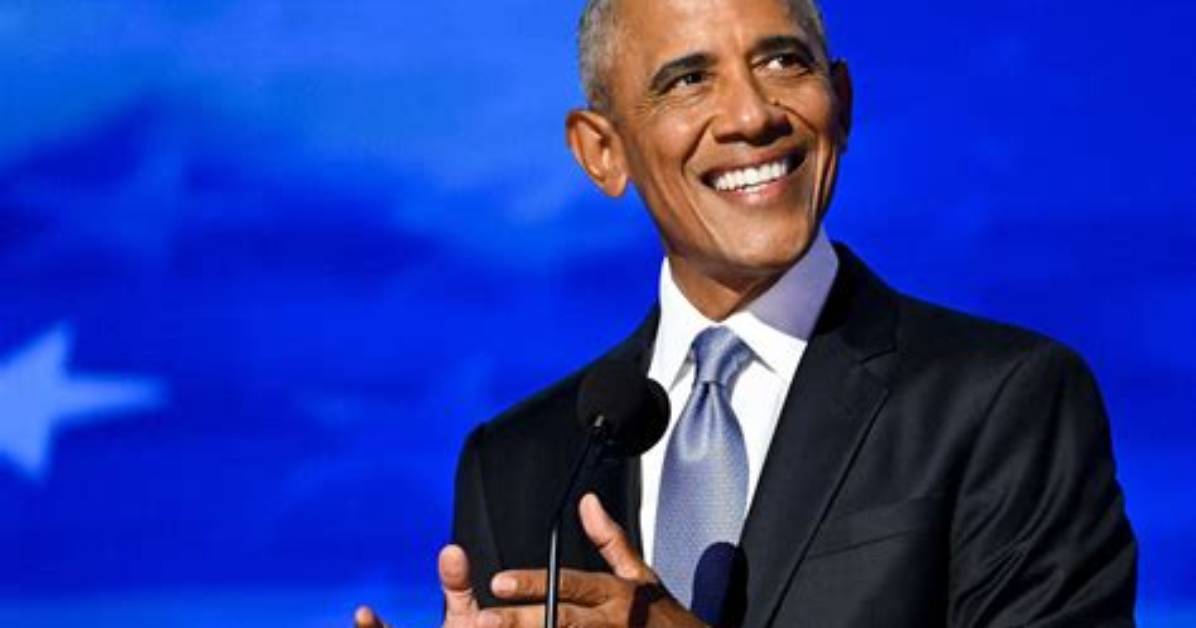
The relationship between Barack Obama and the Democratic National Committee (DNC) is a fundamental aspect of modern American politics. As the 44th President of the United States, Obama’s influence extended far beyond his two terms in office, shaping the direction and strategies of the DNC. This article delves into the intricate dynamics of this relationship, examining how Obama's leadership style, policies, and grassroots mobilization efforts have redefined the Democratic Party. We will explore the significance of Obama's hands-on approach in shaping DNC strategies, particularly in the context of recent elections.
In this comprehensive analysis, we will cover various facets of Obama’s impact on the DNC, from his innovative campaign techniques to his role in fostering a new generation of Democratic leaders. Additionally, we will investigate the challenges the DNC faces in the post-Obama era, including the ongoing struggle for unity within the party. This exploration not only highlights Obama's legacy but also emphasizes the relevance of his influence in current political contexts.
Join us as we unpack the intricacies of Obama’s relationship with the DNC, providing insights and valuable information for anyone interested in understanding the current landscape of American politics.
1. Barack Obama: A Brief Biography
Barack Hussein Obama II was born on August 4, 1961, in Honolulu, Hawaii. He graduated from Columbia University and later earned his law degree from Harvard Law School, where he became the first black president of the Harvard Law Review. Before his presidency, Obama served as a U.S. Senator from Illinois from 2005 to 2008. His presidential campaign in 2008 marked a significant moment in American history, as he became the first African American to be elected President of the United States.
| Personal Information | Details |
|---|---|
| Full Name | Barack Hussein Obama II |
| Date of Birth | August 4, 1961 |
| Birthplace | Honolulu, Hawaii |
| Political Party | Democratic Party |
| Presidency | 2009 - 2017 |
2. The Evolution of the DNC Under Obama
During Obama's presidency, the DNC underwent significant transformations aimed at modernizing its strategy and outreach. One of the most notable changes was the introduction of data-driven campaigning, which allowed the DNC to better target voters and tailor messages to specific demographics. This evolution was crucial in securing victories in the 2008 and 2012 elections.
The 2008 Campaign: A Turning Point
Obama’s 2008 campaign set new standards for political mobilization. The DNC harnessed the power of social media and online fundraising, engaging millions of supporters and creating a sense of community and purpose. This campaign strategy not only won the presidency for Obama but also revitalized the DNC's approach to future elections.
The 2012 Reelection Efforts
In 2012, Obama faced significant challenges, including a struggling economy. His campaign's focus on grassroots organizing and coalition building proved effective, resulting in a second term. The DNC's strategies during this period emphasized the importance of voter engagement and turnout, particularly among minority groups and young voters.

