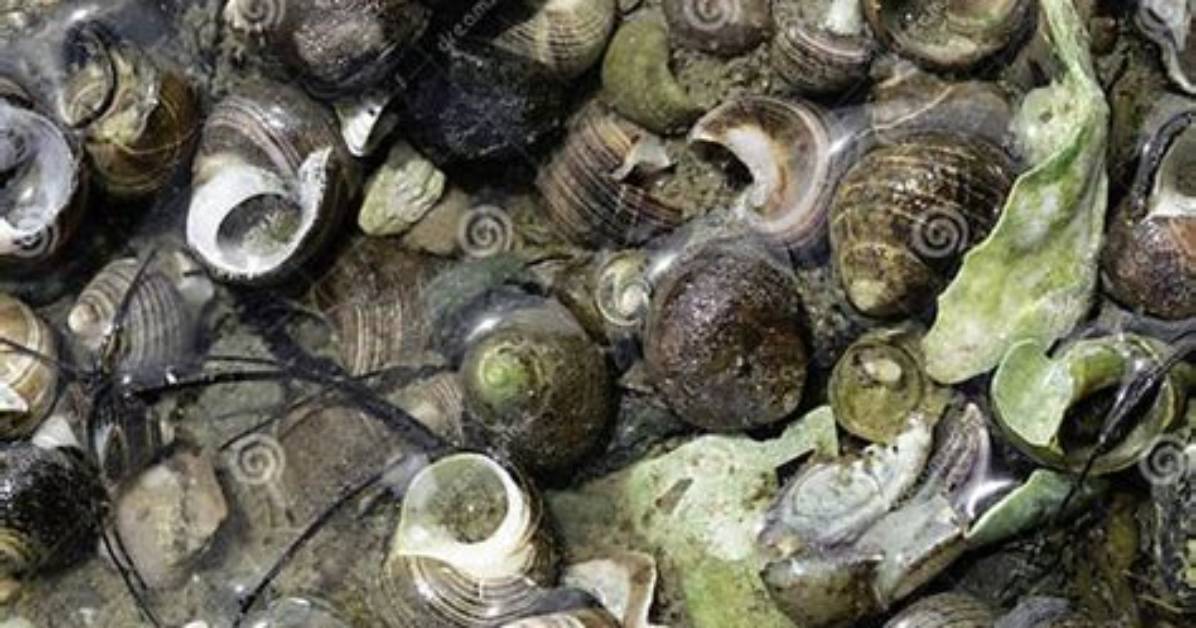
Snail shells are more than just protective coverings for these slow-moving creatures; they are intricate structures that embody the wonders of nature. Each shell is a unique masterpiece that showcases the biology and ecology of snails. From their diverse shapes and colors to their roles in various ecosystems, understanding snail shells can provide insights into the life of these mollusks and their environment. The study of snail shells not only reveals the mysteries of their formation but also their significance in the world of science and art.
In this article, we will delve into the captivating characteristics of snail shells, exploring their anatomy, variations, and the ecological roles they play. We will also address some common questions about these fascinating structures, providing readers with a comprehensive understanding of what makes snail shells so intriguing. Whether you're a curious enthusiast or a budding scientist, this exploration of snail shells promises to be both enlightening and engaging.
Join us as we embark on a journey through the enchanting world of snail shells, uncovering the secrets they hold and the stories they tell. With each twist and turn, we will reveal the beauty and complexity of these natural wonders that have captivated humanity for centuries.
What is a Snail Shell Made Of?
Snail shells are primarily composed of calcium carbonate, which is secreted by the snail's mantle, a layer of tissue that covers its body. The shell's formation is a complex process that involves:
- Secretion of calcium carbonate and proteins.
- Layered growth, resulting in the distinctive spiral shape.
- Environmental factors such as diet and habitat influencing shell composition.
The structure of a snail shell is not just for protection; it also serves various functions including buoyancy and thermal regulation, showcasing the marvel of evolutionary design.
What Are the Different Types of Snail Shells?
There is a stunning variety of snail shells, each adapted to its environment. Some common types include:
- Helix aspersa: Also known as the common garden snail, it has a brown, coiled shell.
- Achatina fulica: The giant African land snail, known for its large and elongated shell.
- Conus snails: Marine snails with beautifully patterned and often elongated shells.
- Turbo snails: Recognized for their distinctively rounded and thick shells.
Each type of snail shell is uniquely adapted to its specific habitat, highlighting the incredible diversity within the world of snails.
How Do Snail Shells Affect Their Survival?
The role of a snail shell is crucial for the survival of the creature. The shell provides several advantages, including:
- Protection from predators and environmental hazards.
- Prevention of dehydration in arid environments.
- Support and structure for the body, aiding in movement.
Without their shells, snails would be vulnerable and face higher mortality rates, showcasing the importance of this remarkable structure.
What Can Snail Shells Teach Us About Evolution?
Snail shells are a fascinating subject of study when it comes to understanding evolution. Their diverse forms provide insights into:
- Adaptive radiation and how species evolve to fit ecological niches.
- The impact of environmental changes on shell morphology.
- Genetic variations leading to different shell shapes and colors.
Researchers can analyze snail shells to trace evolutionary lineages and understand the processes that shape biodiversity.
Are Snail Shells Used in Art and Decoration?
Yes, snail shells have found their way into the realms of art and decoration! Their natural beauty and intricate patterns make them popular choices for:
- Jewelry: Artisans create stunning pieces from polished shells.
- Home decor: Shells can be used in crafts and as decorative accents.
- Scientific displays: Shells are often showcased in museums for educational purposes.
The aesthetic appeal of snail shells means they continue to inspire artists and creators around the world.
How Do Snail Shells Contribute to Ecosystems?
Snail shells play an important role in their ecosystems. They contribute to the environment in several ways:
- Providing shelter for other organisms after the snail dies.
- Contributing to soil health through the decomposition of shells.
- Serving as a food source for various animals, including birds and mammals.
The presence of snails and their shells is a sign of a healthy ecosystem, showcasing their interconnectedness with other species.

