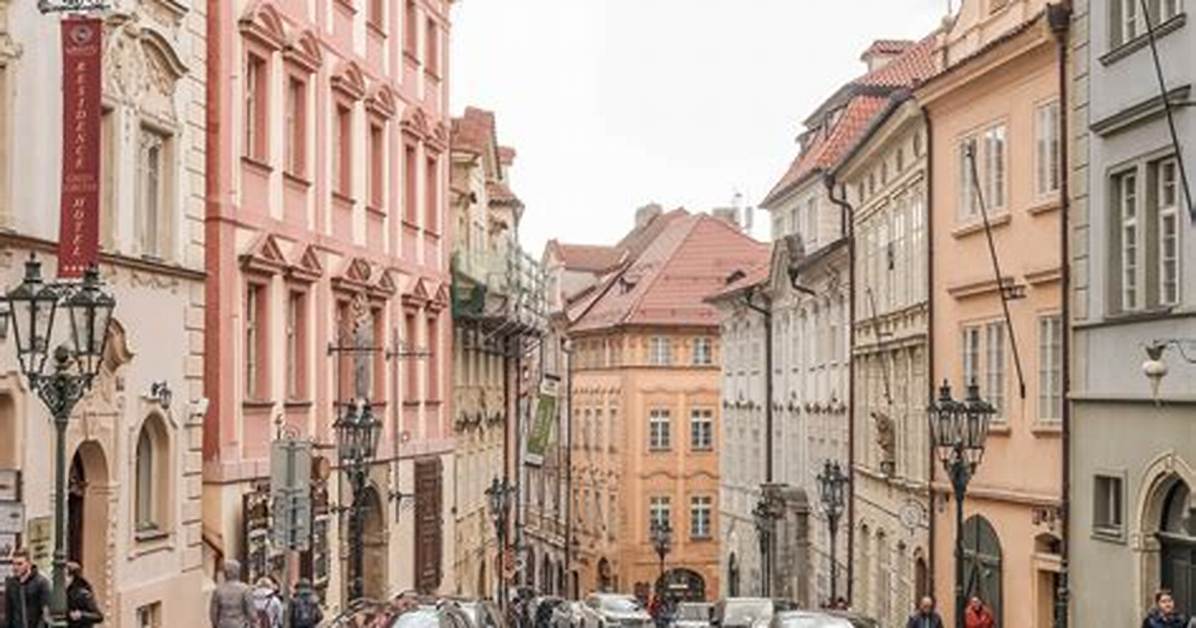
The streets of the Czech Republic are more than just pathways connecting one point to another; they are narratives that unfold the rich history, culture, and daily life of this beautiful Central European country. From the cobbled lanes of Prague to the vibrant avenues of Brno, each street tells a unique story that reflects the essence of Czech heritage. As you wander through these streets, you’ll discover a blend of medieval architecture, modern conveniences, and lively street art that brings life to every corner.
Walking through the streets of the Czech Republic offers an immersive experience that captivates the senses. The aroma of traditional Czech cuisine wafts through the air, while the sound of laughter and conversation fills the bustling squares. Each street you encounter is adorned with historical landmarks, charming cafes, and artisan shops, making every stroll an adventure worth taking.
In this article, we will delve deeper into the various aspects of Czech Republic streets, exploring their historical significance, architectural styles, and cultural influences. Whether you are planning a visit or simply curious about this fascinating country, understanding the streets of the Czech Republic will enhance your appreciation of its vibrant culture and history.
What Historical Significance Do Czech Republic Streets Hold?
The streets of the Czech Republic are imbued with historical significance that dates back centuries. Many of the streets in cities like Prague were laid out in the Middle Ages, serving as vital trade routes. For instance, the famous Charles Bridge, lined with baroque statues, connects the Old Town with the Lesser Town and has been a key pathway for merchants since its completion in the 15th century.
How Have the Streets Evolved Over Time?
Over the years, these streets have seen numerous transformations. Initially designed for pedestrians and horse-drawn carriages, many streets have adapted to accommodate modern vehicles while preserving their historical charm. This evolution is evident in the blend of old and new architectural styles, with modern cafes and shops often nestled within centuries-old buildings.
What Architectural Styles Can You Find on Czech Republic Streets?
The Czech Republic showcases a variety of architectural styles throughout its streets, including:
- Gothic
- Renaissance
- Baroque
- Art Nouveau
- Modernism
Each style tells a part of the story of the Czech Republic’s development and cultural influences, making every street a visual feast for architecture enthusiasts.
Which Are the Most Famous Streets in the Czech Republic?
While many streets in the Czech Republic are worth exploring, some stand out due to their historical importance and popularity among tourists. Notable mentions include:
- Wenceslas Square – A bustling hub in Prague, known for its vibrant atmosphere and historical events.
- Charles Bridge – An iconic landmark adorned with statues that connect two sides of Prague.
- Old Town Square – Surrounded by stunning architecture, this square is a must-visit for anyone exploring Prague.
- Na Příkopě – A major shopping street in Prague, showcasing modern retail alongside historical buildings.
What Unique Cultural Experiences Can You Find on Czech Republic Streets?
The streets of the Czech Republic are alive with cultural experiences that provide insight into the local way of life. From street performances and festivals to local markets and art exhibitions, there is always something happening. Visitors can enjoy:
- Traditional Czech food stalls
- Live music performances in public squares
- Artisan markets showcasing local crafts
- Historical reenactments during festivals
How Do Czech Republic Streets Reflect Daily Life?
Daily life in the Czech Republic is intricately woven into the fabric of its streets. Locals frequent cafes, bakeries, and shops, creating a vibrant atmosphere that feels welcoming to visitors. The streets serve as gathering places where people come together to socialize, celebrate, and enjoy cultural events, making them the heartbeat of the community.

